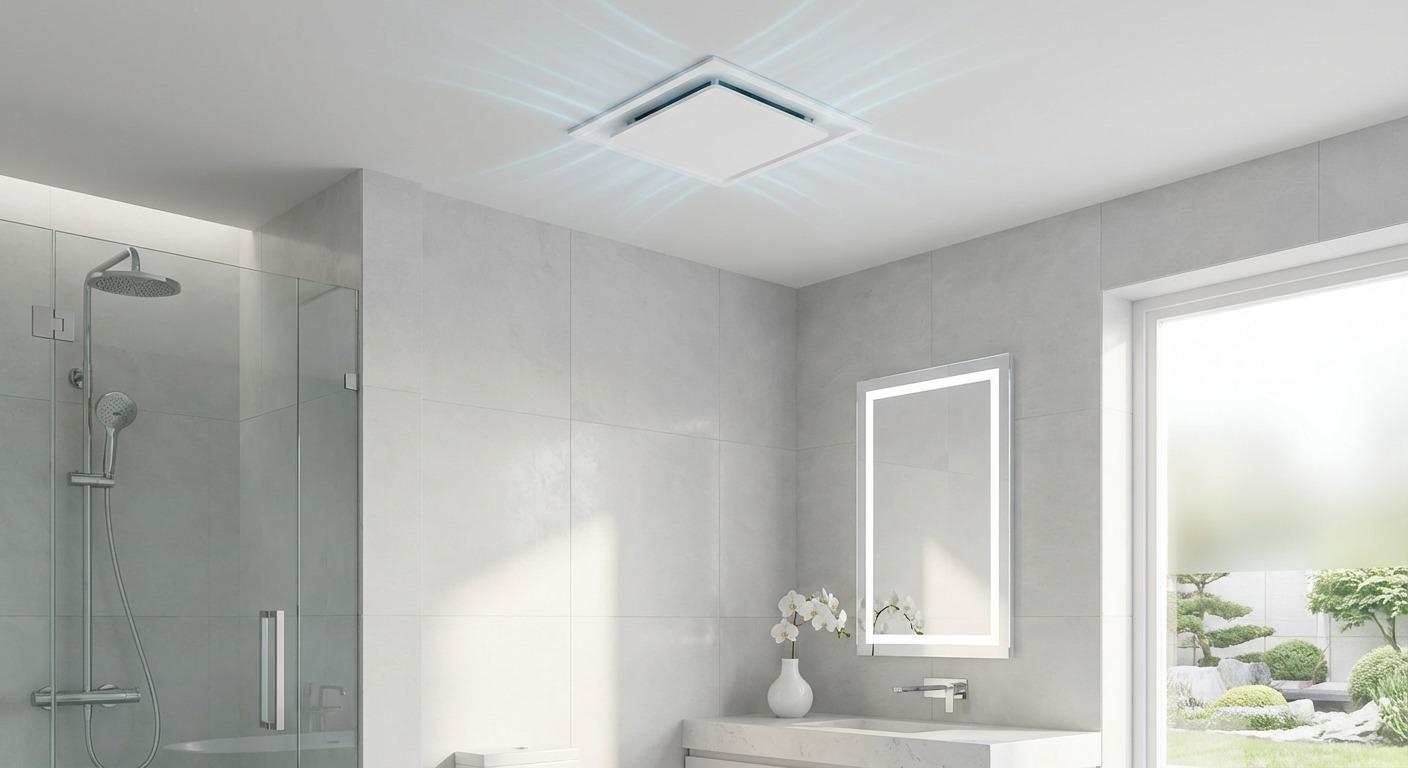

What is an inline fan and why do you need one?
Inline fans are a crucial component for anyone looking to significantly improve indoor air quality and ventilation efficiency in a home, office or professional workspace. These fans are designed to be installed directly in the ducts of the ventilation system, carefully moving the air from one area to another or outdoor stale air. Unlike traditional fans who may be bulky or noisy, carefully selected inline fans can be barely visible and play a crucial role in creating healthier, more comfortable environments. Whether you are dealing with lingering odors, excessive humidity, or just wanting to ensure a constant supply of fresh air, understanding how these fans work and finding out what is the first step towards better air management. Their versatility makes it suitable for a wide range of applications, from simple bathroom ventilation to more complex HVAC system enhancements.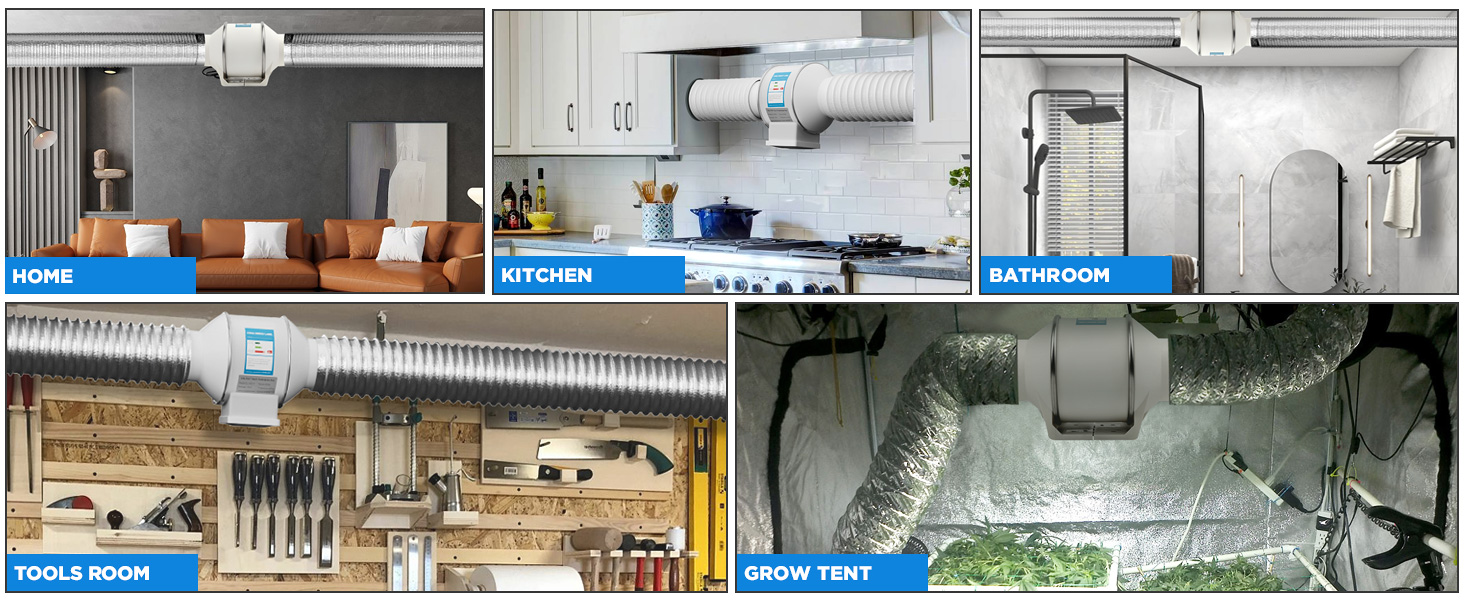
Core advantages of installing inline fans
There are many advantages to installing an inline tube fan and can greatly affect your indoor environment. Mainly, they perform well in improving air circulation, which is crucial to removing pollutants, allergens and old air. This leads to a healthier living or working space, thus reducing the likelihood of respiratory problems and allergies. Another important benefit is to control humidity, especially in areas such as bathrooms, kitchens and basements, where excess moisture can lead to mold and mold growth. By effectively depleting humid air, these fans help protect the structure and health of the building. Additionally, inlined duct fans are effective in odor control, quickly eliminating unpleasant odors from cooking, pets, or other sources. A key consideration for those who are sensitive to noise is finding a quiet inline tube fan, many of which are specially designed for whispering Quiet operations to ensure comfort without hearing impairments.
Learn about different types: from residential to industrial applications
Inline fan fans come in a variety of designs and capabilities to suit different needs. A common and effective type is a centrifugal inline fan, which uses a rotating impeller to suck and drive air at a 90-degree angle, allowing for very efficient operation through longer ducts or to move air at higher static pressures. The choice of a fan is usually determined by the application. For a typical residential setting, smaller, quieter models are usually enough. However, for larger spaces or more demanding situations, a commercial inline duct fan may be required, or even an industrial inline duct fan. These heavy-duty fans are built for excellent performance, higher airflow and continuous operation, making them ideal for workshops, warehouses, restaurants or large-scale growth businesses, and large-scale air exchange is crucial. Understanding these differences helps to select units that match specific ventilation challenges.
Key factors to consider when choosing a fan
Choosing the right inline tube fan involves considering several key factors to ensure optimal performance and satisfaction. The airflow capacity measured in cubic feet per minute (CFM) is crucial; you need to calculate the volume of the space and the required air exchange rate to determine the appropriate CFM. High CFM inline fans are crucial for larger areas or requiring rapid air exchange. Noise levels are another key aspect. If the fan is for living space or bedroom, investing in a model known for its quiet inline fan will have a significant impact on comfort. Pipe compatibility is also key – the fan diameter must match the pipe you have or planned. Consider its main features: is it mainly an inline exhaust fan for a specific room, or is it part of a larger HVAC inline fan setup designed to increase airflow across the entire system? Answering these questions will guide you on the ideal model that meets your needs.
Step-by-step guide to installing an inline tube fan
For those with basic home improvement skills, installing an inline tube fan may be a manageable DIY project, although if you are not sure, especially with wires, it is recommended to install professionally.
1. Safety First: Be sure to turn off the circuit breaker’s power before starting any electrical work. Wear proper safety gear, such as gloves and eye protection.
2. Collecting tools: Usually, you usually need a drill bit, screwdriver, wire stripper, tape or fixture, and if adjustments are required, you may need to cut the saw for pipes.
3. Select location: Select an accessible location during pipeline operation. Ensure that there is enough space around the fan for installation and future maintenance. The fan should be securely installed to prevent vibration and noise.
4. Connect to Pipe: Cut the existing pipe to run, where the fan is installed. Slide the end of the pipe onto the collar of the fan and secure them tightly with pipe clips or high-quality tape to ensure a seal. The direction of airflow is usually indicated on the fan housing.
5. Wire: This is the most critical step. Follow the manufacturer's wiring diagram accurately. Typically, the wires of the fan are usually connected to the power supply through switches. If you are not satisfied with your electrical work, hire a qualified electrician. Many inline fan fans are designed for direct connections.
6. Test the fan: Once everything is connected and fixed, restore the power and test the fan to make sure it runs correctly and quietly. Check for any air leakage around the connection.
Proper installation is key to the efficiency and life of the selected inline tube fan.
Maintain the life and performance of your inline tube fan
To ensure that your inline fan runs efficiently and enjoys long life, regular maintenance is crucial. Fortunately, these fans usually require minimal maintenance. The most common task is regular cleaning. Over time, dust and debris can accumulate on the fan blades and housing, reducing airflow and potentially causing imbalance or noise. Disconnect the power before any maintenance. Carefully remove the fan from the pipe (if possible), or access the blade according to the manufacturer's instructions. Use a soft brush or cloth to gently wipe the blades and the interior inside. Avoid using harsh chemicals or excessive moisture. When you can use it, check the electrical connections to make sure they are safe and free of corrosion. Also, check if the mounting bracket is tight and the fan is still firmly positioned. Listen to any abnormal sound during operation, as this may indicate a problem with the motor or obstacle. Often, routine inspections may be performed once or twice a year depending on use and environment, whether it is a powerful industrial interior fan fan or a discreet residential unit, the fan can be kept.
Common Applications: Where can you use inline fan fans?
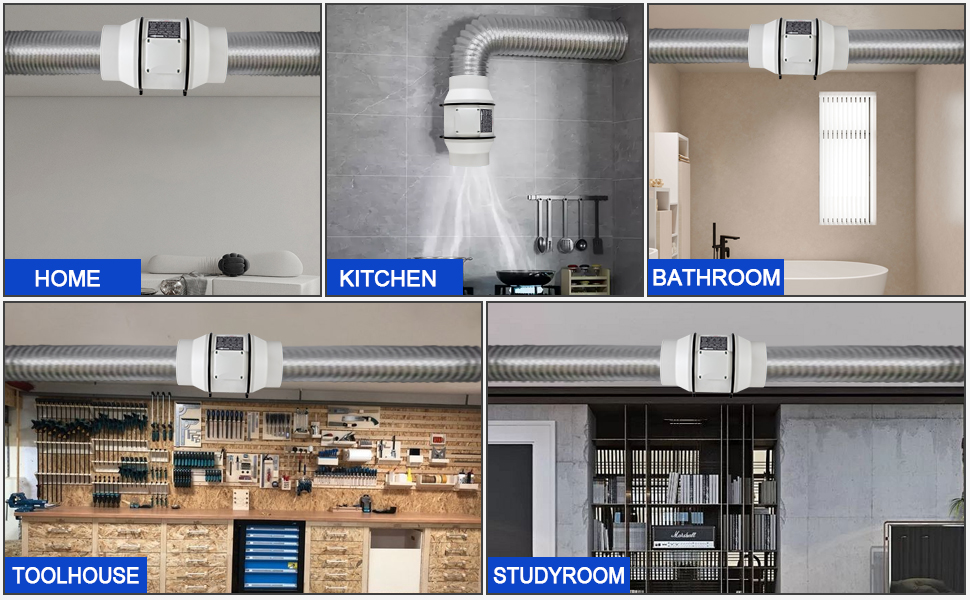
The versatility of inline fan fans makes it suitable for a variety of applications in residential and commercial environments. In houses, they are often used as inline exhaust fans for bathrooms and kitchens, effectively draining moisture, odors and air-based grease. They are also popular for ventilation, basements and crawling spaces, helping to control humidity and prevent mold growth. For amateurs, especially those who are indoor gardens or tents, the fan of an inline fan is essential to manage temperature, humidity and ensure air exchange for plants. In commercial environments, they can extend long or complex airflow for pipe-operated airflow in existing HVAC systems, making them valuable HVAC inline fan components. Workshops and garages benefit from their ability to run out of smoke and dust. Larger models, especially commercial inline fan units, are used in restaurants, offices and retail spaces to maintain optimal air quality for both occupants and customers. Essentially, any space that requires targeted ventilation or enhanced air movement can benefit from installing an appropriately sized inline tube fan.
Conclusion: Correct ventilation solutions make it easier to breathe
Investing in the right inline catheter system is an important step towards creating a healthier, more comfortable and more efficient indoor environment. Whether you need to deal with constant humidity in the bathroom, remove cooking odors from the kitchen, ensure fresh air in the workspace or improve the performance of existing HVAC systems, there are inline solutions designed for tasks. From the whispering Quiet model in the bedroom to the robust CFM inline fan unit for larger commercial applications, the range of options available ensures that you can customize your choices to your specific requirements. By understanding the benefits, key selection criteria, and proper installation and maintenance, you can empower yourself to make informed decisions. For those seeking a comprehensive ventilation solution, Ningbo Aoshun Electrical Co., Ltd. A wide range of fans, including centrifugal inline fan options, is available to provide a one-stop shop for your air management needs. Ultimately, carefully selected and installed with the right fans will provide years of reliable service to help everyone breathe more easily.