

What exactly is an inline duct fan and what is its primary function?
An inline duct fan is a specialized type of fan designed to be installed directly within or connected to ductwork. Its primary function is to boost airflow in heating, ventilation, and air conditioning (HVAC) systems, ensuring efficient air movement through ducts over short or long distances. Unlike traditional fans that circulate air within a room, this type of fan works within the ventilation system itself, making it a crucial component for maintaining good air quality and temperature control. Many systems rely on an inline ventilation fan to effectively move air from one area to another, such as exhausting stale air or supplying fresh air.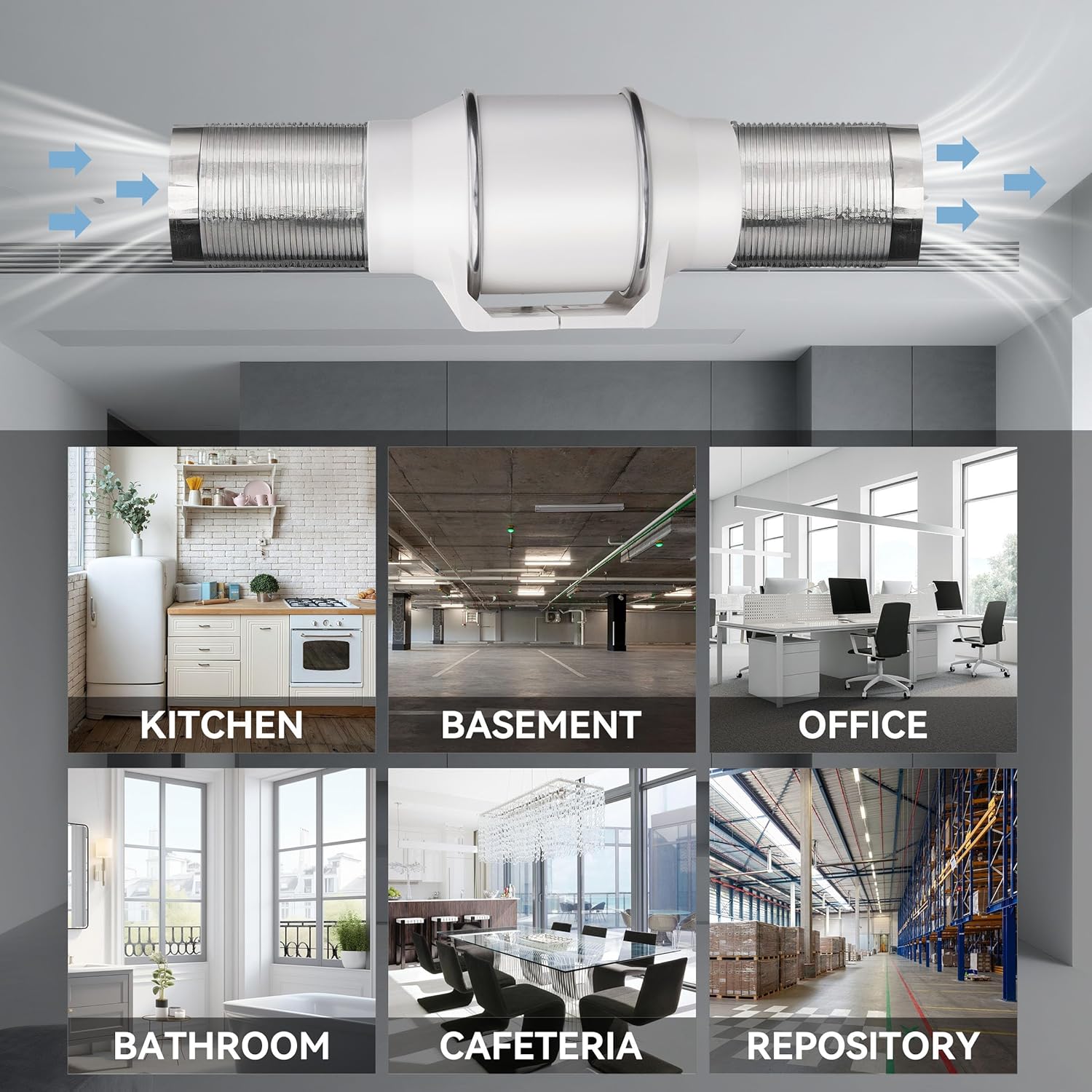
What are the major advantages of installing an inline duct system fan?
Installing an inline duct system fan offers numerous benefits. They are highly efficient at moving air, often consuming less energy than larger, more cumbersome units. Their design allows for installation directly within ductwork, making them a space-saving solution, often hidden from view. This placement also means they can be significantly quieter than other fan types, as the fan motor and operational noise are contained within the ducts. Furthermore, these fans are versatile, capable of addressing issues like poor airflow to distant rooms, improving the effectiveness of an inline exhaust fan system, or enhancing general air circulation throughout a building.
In what types of spaces are these ventilation fans most commonly used?
These ventilation fans are incredibly versatile and find applications in a wide array of environments. In residential settings, they are used to improve airflow in bathrooms (to remove moisture and odors using an inline exhaust fan), kitchens (to vent cooking fumes), basements (to combat mustiness), and grow tents (to manage temperature and humidity). For commercial and industrial applications, a robust commercial inline duct fan can be vital for maintaining air quality in offices, workshops, warehouses, cafeterias, and repositories. Their ability to handle significant airflow makes them suitable for large spaces requiring consistent ventilation, and they are often key components in larger HVAC inline fans strategies.
What should I look for in a high airflow inline fan?
When seeking a high airflow inline fan, several factors are critical. Pay close attention to the fan's CFM (cubic feet per minute) rating, which indicates the volume of air it can move. A higher CFM is generally better for larger spaces or systems with long duct runs or high resistance. The fan's motor power and blade design also significantly influence its performance. Efficient blade geometry and a powerful, durable motor ensure the fan can deliver sustained high airflow without excessive energy consumption or noise. It's also important to consider the static pressure capabilities, especially if the air needs to be pushed through complex ductwork or filters. The UltraFlow Centrifugal Fan System, for example, is engineered for high-efficiency airflow management. A quality high airflow inline fan can make a significant difference in system effectiveness.
How does an inline blower fan compare to other ventilation fans?
An inline blower fan, often utilizing a centrifugal design, is specifically engineered to work effectively within duct systems. Unlike axial fans that move air parallel to the fan's axis, blower fans (or centrifugal fans) draw air in axially and expel it radially, at a 90-degree angle. This design allows them to generate higher static pressure, making them more suitable for overcoming the resistance found in ductwork, filters, and vents. This ability to handle pressure makes an inline blower fan more effective than many other fan types for ducted applications where air needs to be moved consistently over distances or through restrictive pathways. This makes them distinct from, say, simple room circulation fans.
Can these fans be integrated into existing HVAC systems?
Yes, these fans are frequently integrated into existing HVAC systems to enhance their performance. They can be used as booster fans to improve airflow to rooms that are too hot or too cold because they are far from the main HVAC unit or have undersized ductwork. By installing such a fan in the duct leading to such an area, you can increase the volume of conditioned air delivered, helping to balance temperatures throughout the property. This makes HVAC inline fans a practical solution for optimizing comfort and efficiency without needing a complete overhaul of the existing system. They can also assist in ensuring proper air exchange rates, contributing to overall indoor air quality. This is a common application aiding an inline cooling fan setup where better circulation of cool air is needed.
Are there specialized inline fans, such as those for quiet operation or an inline cooling fan?
Absolutely. Manufacturers recognize the demand for specific features, leading to specialized models. For instance, some of the best quiet inline fans are designed with sound-dampening materials, aerodynamically optimized blades, and high-quality motors to minimize operational noise, making them ideal for bedrooms, offices, or any space where tranquility is valued. Additionally, while any fan moving air can contribute to a cooling effect, a dedicated inline cooling fan might be optimized for higher airflow or specific mounting to enhance air circulation in warm areas, such as equipment rooms or attics. The UltraFlow Centrifugal Fan System, for instance, boasts whisper-quiet operation alongside powerful performance, making it suitable for noise-sensitive environments. Seeking out the best quiet inline fans is crucial for many residential applications.
What features make a product like the UltraFlow Centrifugal Fan System stand out?
The UltraFlow Centrifugal Fan System exemplifies what to look for in a modern ventilation solution. Its innovative features include High-Efficiency Airflow Management, ensuring optimized intake and exhaust for cleanliness, comfort, and efficiency. The sleek and minimal design, often in a pristine white finish, allows it to blend unobtrusively into contemporary interiors. Durability is another key aspect, with robust construction designed for long-lasting performance in demanding environments. Perhaps its most significant advantage is its unmatched versatility across a multitude of spaces, from residential kitchens and bathrooms to commercial offices and even specialized areas like grow tents or industrial workshops where a commercial inline duct fan might be employed. This kind of adaptable system ensures you get a fan that addresses your specific ventilation needs comprehensively; an inline duct fan should be chosen for its overall suitability to the task.
Where can I find quality inline duct fans and ventilation accessories?
Quality inline duct fans and necessary ventilation accessories can typically be sourced from specialized HVAC suppliers, electrical wholesalers, and reputable online retailers. When choosing a supplier, look for companies that offer a wide range of products, detailed specifications, and good customer support. Ningbo Aoshun Electrical Co., Ltd., for example, prides itself on its flexibility in sourcing, designing, and producing innovative electrical products, including a variety of ventilation fans and accessories, offering a one-stop purchasing experience for wholesalers, buyers, and retail customers. Always ensure the chosen fan, whether it's an inline ventilation fan or a more specialized unit, meets your specific airflow, size, and noise level requirements and complies with any relevant local building codes or standards.