

Understand and choose the perfect inline tube fan
An effective ventilation system is essential for maintaining a healthy and comfortable indoor environment, and an inline duct fan is the cornerstone of many such systems. Designed to be installed directly in ducts, these versatile fans provide a powerful and discreet solution to improve air quality, control temperature and remove contaminants. Whether you are upgrading an existing setup or planning a new installation, knowing how to choose and use an inline fan can significantly enhance your space.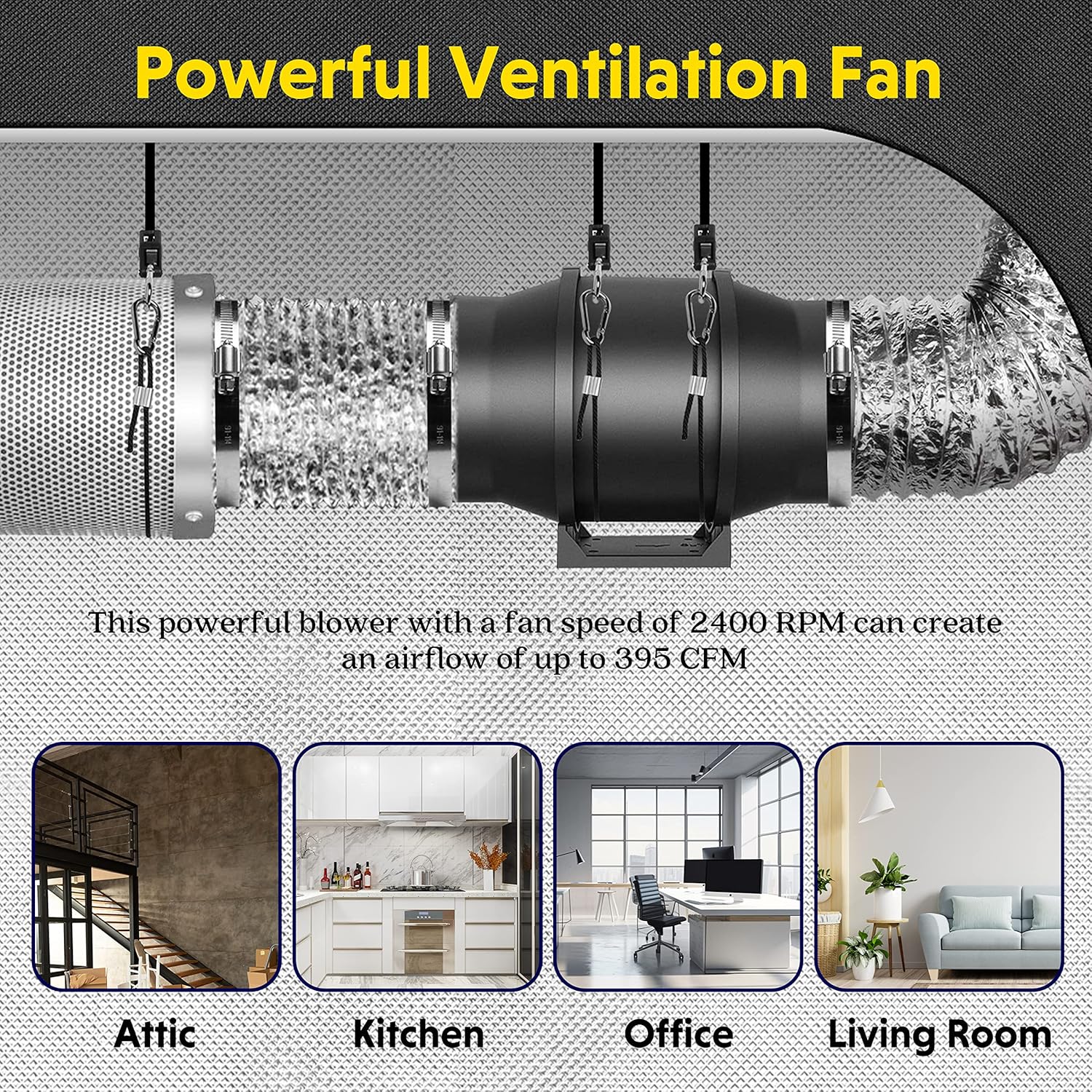
What exactly is a linear fan?
Inline tube fans are sometimes called catheter booster fans, which are fans mounted internally or in combination with catheters. Its main purpose is to effectively transfer air through the pipes. Unlike traditional fans that may be visible in rooms, inline fans are often hidden in the ceiling, attic, or crawling space. They are an integral part of heating, ventilation and air conditioning (HVAC) systems, and they help ensure consistent airflow throughout the building. For example, an HVAC inline fan can raise the flow of conditional air to a room away from the main air handling program, ensuring temperature distribution. These fans go straight into the connected pipe by sucking air from one end and driving it out from the other end.
Explore different types of inline tube fans
Inline fan fans are designed in a variety of designs, each design that suits different needs. One common type is an axial fan that moves air parallel to the axis of rotation of the blade. However, for applications requiring higher pressures, centrifugal inline fans are generally preferred. Centrifugal fans use impellers to draw air into the fan and then drive it out at a 90-degree angle, which allows them to more effectively overcome the resistance of longer or more complex pipes. When choosing a fan, the key performance indicator is its airflow capacity, usually measured in cubic feet per minute (CFM). For areas where a lot of air movement is required, a high CFM inline fan is critical to achieving the required ventilation.
Key factors to consider when choosing a fan
Choosing the correct inline tube fan involves several important considerations. Airflow (CFM) is crucial; you need to match the fan capacity to the size of the space and ventilation requirements. Noise levels are another key factor, especially for residential or office applications. Look for a quiet inline fan fan, often with an aerodynamic design of casing and energy-efficient motor, to minimize operant sound. In fact, many high-quality models have robust, aerodynamic enclosures designed to maximize airflow efficiency while minimizing noise. Durability and building materials are also key; fans made from premium ABS plastic or metal provide longevity and reliable performance. Make sure the fan's pipe connection size matches your existing or planned pipe. Modern designs usually have precision ABS plastics for durability and lightweight installations, with the stability of reliable metal braces.
Multifunctional application: from house to industrial environment
The versatility of these ventilation units makes them available in a variety of environments. In houses, they are often used as a built-in exhaust fan in bathrooms to remove moisture and odors, or to drain cooking smoke in the kitchen. They also increase the efficiency of the full-room ventilation system, ensuring fresh air circulation. For commercial spaces (such as offices or retail stores), commercial inline fan fans can enhance overall air quality and climate control, bringing a more comfortable and productive environment for employees and customers. In more demanding environments, such as workshops, warehouses or agricultural growth operations, industrial inline pipe fans provide strong and continuous air movement, which is essential for controlling temperature, humidity and air pollutants. These fans are carefully designed to handle large amounts of air with greater elasticity.
Basic Installation Principles Guide
Although specific installation instructions may vary by model and local building code, some general principles apply. A special mounting bracket is usually used, and the inlined duct fan should be installed firmly in the pipe. Ensure that all connections between the fan and the duct are sealed to prevent leakage, which can significantly reduce efficiency and performance. Electrical wiring should always be performed by a qualified individual and comply with all relevant safety guidelines and electrical codes. Many modern inline fan fans are designed for simple installation and sometimes come with convenient rectangular connecting boxes for organized and secure wiring. When choosing an installation location, it is also wise to consider accessing later maintenance.
Keep the fan for optimal performance
Regular maintenance will extend the life of the fan and ensure it operates effectively. This usually involves periodic cleaning of fan blades and housing to eliminate dust and debris accumulation, as accumulation can hinder airflow and make unnecessary pressure from the motor. It is best to check the connections and installations regularly to ensure they stay safe and tight. While many modern designs have maintenance-free, energy-efficient motors, some older fans may have motors that require lubrication. Always follow manufacturer specific advice for maintenance to make the most of your investment and ensure lasting performance.
Make the right choice for clean air
A carefully selected inline fan fan is a powerful tool that significantly improves indoor air quality, comfort and energy efficiency. By understanding the different types available, such as reliable centrifugal fans, and carefully considering such as airflow (need to look for high CFM inline fans where needed) and noise levels (single quiet inline catheter fans for sensitive areas), you can choose the perfect unit for your specific needs. Whether for residential, commercial or industrial applications, the right inline fan fans will provide effective, reliable ventilation in the coming years, which contributes to a healthier and more pleasant environment.