

Proper installation is key to maximizing the performance and longevity of anyventilation fan.
In this guide,AOSAIRsharespractical step-by-step tipsfor installing wall-mounted, ceiling-mounted, and inline duct fans in both residential and commercial settings.
1️⃣ Pre-Installation Checklist
Before starting, make sure you have:
✅ The correct fan type for your application
✅ Suitable power supply (voltage, frequency)
✅ Proper ducting and fittings
✅ Required tools (drill, screws, duct tape, level, etc.)
✅ Personal protective equipment (PPE)
2️⃣ Wall-Mounted Ventilation Fan Installation
Step 1: Mark the wall opening
-
Measure and mark the fan cut-out dimensions
-
Ensure proper positioning (high on wall for exhaust, aligned with duct if required)
Step 2: Cut the opening
-
Use appropriate tools (jigsaw or reciprocating saw)
-
Smooth edges of opening
Step 3: Mount the fan
-
Secure fan housing to wall using manufacturer-supplied screws
-
Install backdraft damper if required
Step 4: Connect wiring
-
Follow local electrical codes
-
Connect to appropriate power circuit
Step 5: Test operation
-
Check airflow direction
-
Confirm fan operation and noise level
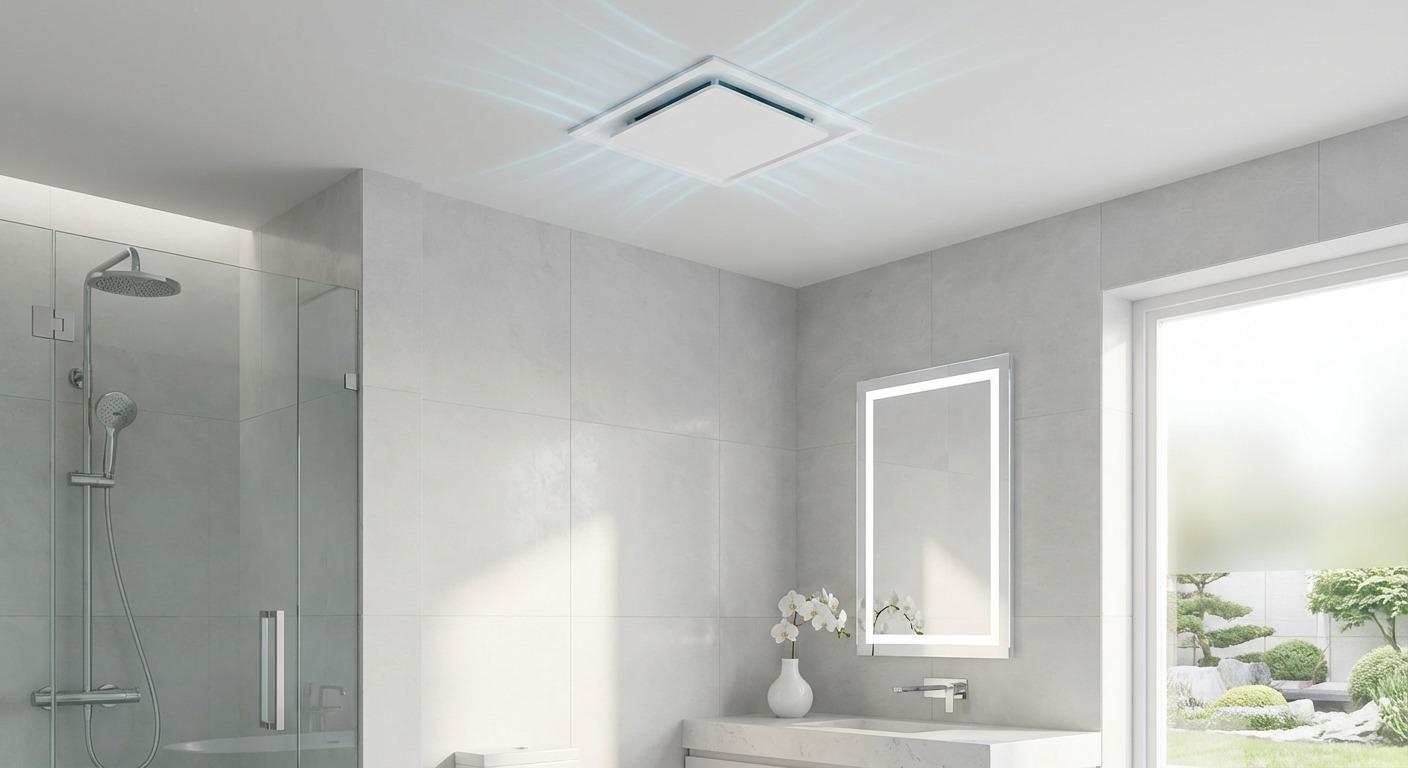
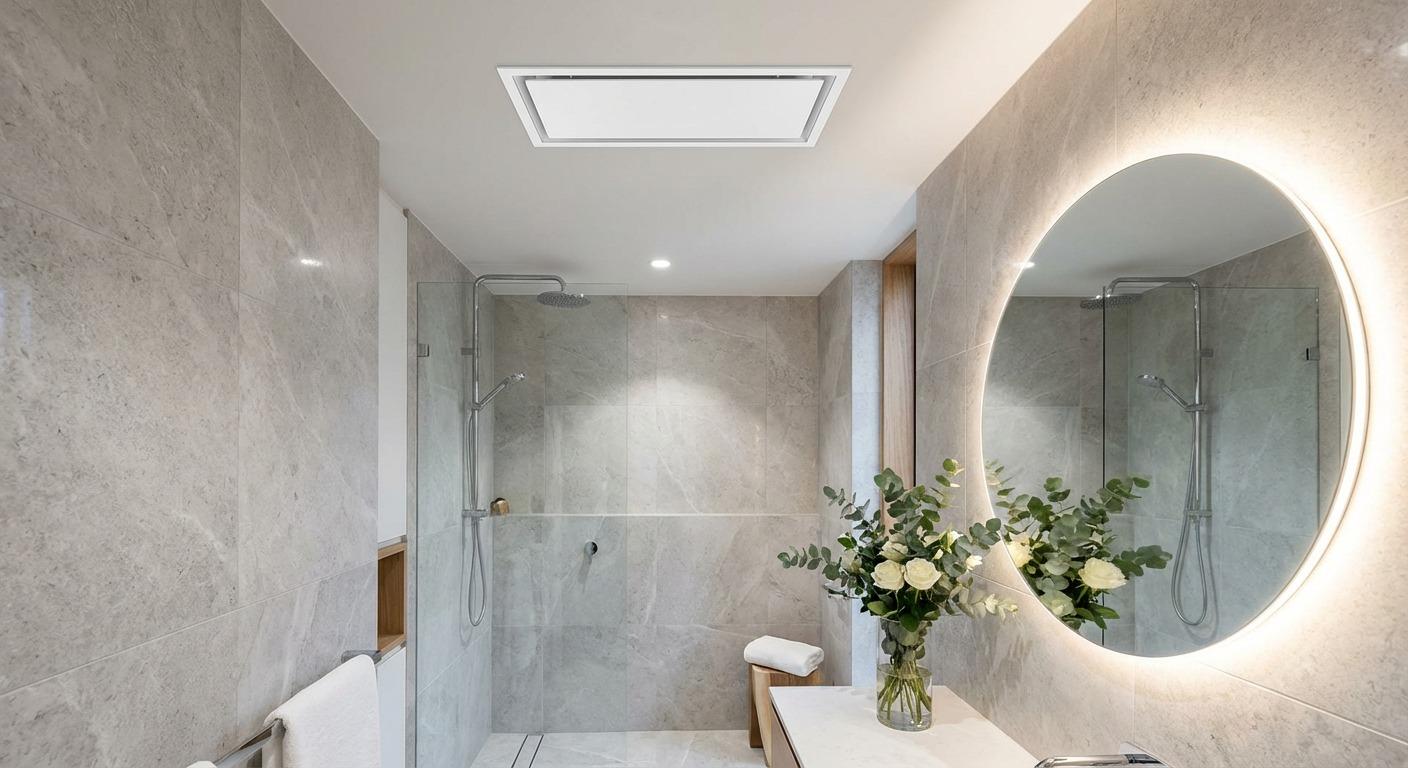
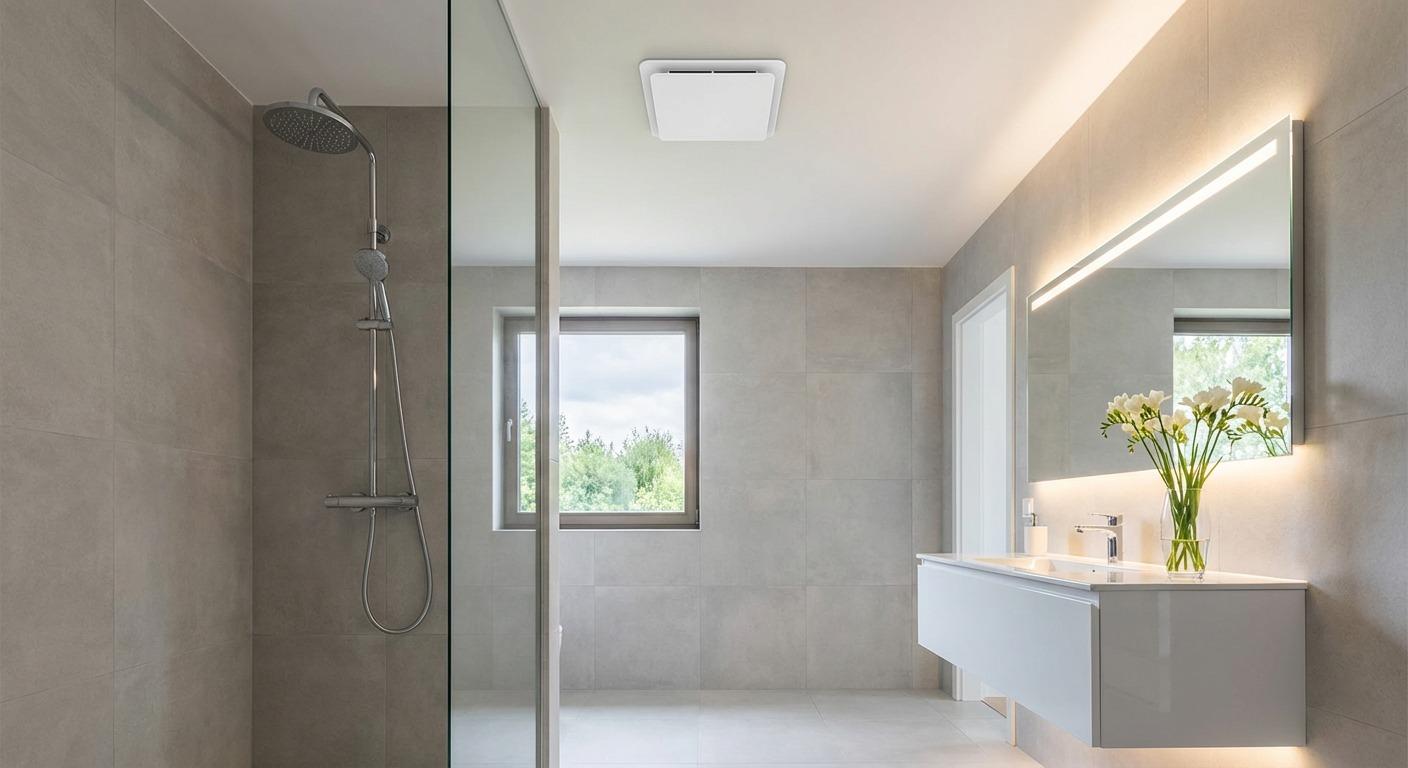
3️⃣ Ceiling-Mounted Ventilation Fan Installation
Step 1: Locate joists
-
Identify suitable installation point between ceiling joists
Step 2: Cut ceiling opening
-
Mark and cut fan housing opening
Step 3: Secure housing
-
Attach fan housing to joists using brackets or adjustable hangers
Step 4: Duct connection
-
Connect duct to fan outlet
-
Seal joints with duct tape or clamps to prevent air leakage
Step 5: Electrical wiring
-
Follow electrical code
-
Connect to switch or timer control
Step 6: Install grille and test
-
Attach grille
-
Test fan operation and verify airflow
4️⃣ Inline Duct Fan Installation
Step 1: Plan duct route
-
Keep duct runs as straight and short as possible
-
Avoid sharp bends to maintain airflow efficiency
Step 2: Mount fan
-
Use vibration-isolation mounts if needed
-
Suspend or support fan securely within ductwork
Step 3: Connect ducts
-
Secure inlet and outlet ducts
-
Seal connections to prevent leaks
Step 4: Wiring and controls
-
Connect to appropriate power supply
-
Integrate withspeed controlleror building automation if required
Step 5: Test and adjust
-
Verify airflow
-
Adjust speed if necessary for optimal performance
5️⃣ Common Installation Mistakes to Avoid
❌ Using undersized ducting → causes airflow restriction
❌ Poor sealing → leads to air leakage
❌ Incorrect fan sizing → results in insufficient ventilation
❌ Ignoring local code requirements → potential compliance issues
6️⃣ Working with AOSAIR for Project Support
AOSAIRnot only supplies a wide range ofventilation fans, we also provide:
✅ Product selection advice
✅ Installation guidelines
✅ OEM customization for project needs
✅ Technical support for contractors and system integrators
If you need assistance selecting or installing ventilation fans for your next project:
👉 Visit ourProducts pageorcontact us here.
Our team is happy to help.
Conclusion
Proper installation ensures yourventilation fansoperate efficiently and reliably.
We hope this guide helps — and if you need high-qualityOEM ventilation fansor project consultation, don’t hesitate tocontact AOSAIR!